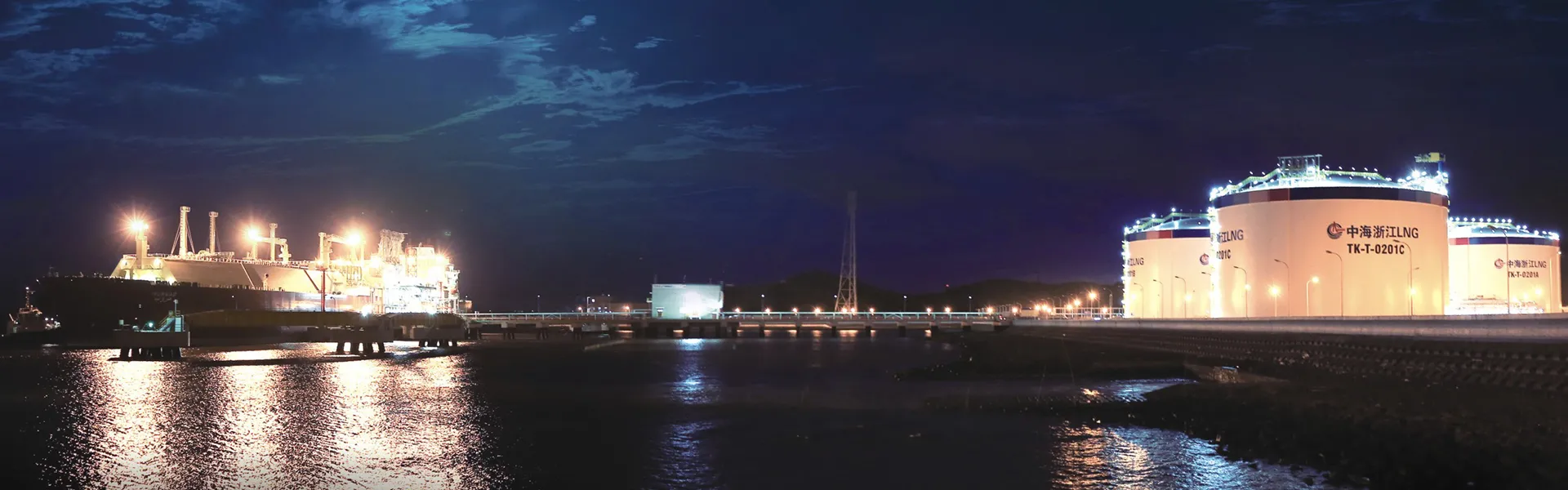
Energy transportation refers to the process of moving various forms of energy resources from their point of production or storage to their end-users or distribution points. This critical aspect of the energy industry plays a pivotal role in ensuring a continuous and efficient supply of energy resources, which are essential for various sectors, including industrial, residential, and commercial. This involves various methods and systems depending on the type of energy, its distance, and the infrastructure available.
In this article, energy transportation refers to moving energy resources and energy carriers between locations. It does not refer to the energy consumed by cars, trucks, ships or aircraft.
One of the key players in the field of energy transportation is CIMC ENRIC. As a leading manufacturer and solution provider for new energy transportation, CIMC ENRIC offers a wide range of products and services tailored to meet the demands of this rapidly evolving industry.
Click to get the reliability plan
For projects comparing containerized and road-based LNG delivery, see our LNG Tank Container vs LNG Semi-trailer guide, covering transport modes, handling requirements and receiving-site conditions.
● Pipeline Transport: Pipelines are commonly used to transport natural gas, crude oil, and other liquids over long distances.
● Rail Transport: Railways are widely used for bulk energy transport, especially for solid fuels like coal and biomass.
● Truck Transport: Trucks are used for smaller, more flexible energy shipments, often for gas or liquid fuels that are delivered to local markets.
● Marine Transport: Ships and tankers are crucial for transporting large volumes of oil, LNG (liquefied natural gas), and other liquid energy forms across oceans.
| Transportation Method | Common Applications | Main Consideration |
|---|---|---|
| Pipeline | Natural gas and other suitable energy products | Requires fixed pipeline infrastructure |
| Road Transportation | LNG, CNG, hydrogen and industrial gases | Provides flexible delivery between locations |
| Rail Transportation | Bulk energy products and suitable cargoes | Depends on railway access and compatible equipment |
| Marine Transportation | LNG and liquid energy products | Suitable for long-distance and international transportation |
→ Storage Facilities: These are integral to ensuring energy is available at both ends of the transportation process, helping to manage supply and demand fluctuations.
→ Transport Networks: These networks include pipelines, railroads, shipping routes, and roads that facilitate the actual movement of energy.
→ Safety & Regulatory Standards: Ensuring the safety of energy transport is critical. Transport systems must adhere to strict regulatory standards to prevent accidents, leaks, or environmental damage.
A typical energy transportation system may include:
1. Production or processing
2. Gas conditioning, compression or liquefaction, where required
3. Temporary storage and loading
4. Transportation by pipeline, road, rail or sea
5. Unloading or transfer at the destination
6. Storage, distribution or delivery to the end user
The exact process depends on the energy form, transportation route and available infrastructure.
Let's take a closer look at CIMC ENRIC and its contributions to energy transportation:
CIMC ENRIC - Pioneering New Energy Transportation Solutions
CIMC ENRIC is a global leader in providing innovative solutions for the transportation of energy resources. With a focus on sustainability and environmental responsibility, the company specializes in a variety of products designed for the safe and efficient movement of energy resources. Some of the key areas in which CIMC ENRIC excels include:
1. LNG Transportation: CIMC ENRIC manufactures LNG (Liquefied Natural Gas) tank containers and trailers, which are vital for the storage and transportation of LNG. These specialized containers and trailers play a crucial role in enabling the global trade of LNG, a cleaner alternative to traditional fuels.
2. Hydrogen Transportation: In the growing field of hydrogen energy, CIMC ENRIC produces high-quality LH2 (Liquid Hydrogen) trailers and ISO containers. These products facilitate the safe and efficient transport of liquid hydrogen, which is a promising energy carrier for the future.
3. Gas Transportation: The company offers a range of gas transportation solutions, including CNG (Compressed Natural Gas) and other gas storage and transportation equipment. These products support the use of clean-burning natural gas as an alternative to conventional fuels.
Before selecting energy transportation equipment, project teams should confirm:
- The energy or gas being transported
- Whether it will be transported as a gas, compressed gas or cryogenic liquid
- The required transportation volume
- Transportation distance and route conditions
- Loading and unloading methods
- Available infrastructure at the destination
- Applicable local codes and project standards
- Required connection and transfer interfaces
- Storage or distribution requirements after delivery
Providing this information helps the equipment supplier evaluate an appropriate transportation solution.
Energy transport safety depends on the correct combination of equipment design, applicable standards, operating procedures and site conditions.
Transportation equipment should be selected for the intended medium, pressure or temperature conditions and transportation method. Loading, transportation, unloading and maintenance should follow the applicable requirements of the country and project.
Final equipment configuration and compliance requirements should be reviewed for each project rather than assumed from a general product description.
As the world shifts towards cleaner and more sustainable energy sources, the role of energy transportation becomes even more critical. CIMC ENRIC's dedication to producing state-of-the-art transportation solutions aligns with the global commitment to reducing greenhouse gas emissions and achieving a more sustainable future.
In conclusion, energy transportation is a multifaceted field encompassing the movement of various energy resources to meet the world's growing energy demands. CIMC ENRIC's contributions to this industry are pivotal in facilitating the global transition to cleaner and more sustainable energy sources, making it a key player in the world of new energy transportation.
Energy transportation is the process of moving energy resources or energy carriers from production or storage facilities to distribution points and end users.
The main types are pipeline, road, rail and marine transportation. The appropriate method depends on the energy form, distance, volume and available infrastructure.
Energy transport means moving energy resources or energy carriers between locations. Transportation energy usually refers to the energy consumed by vehicles, aircraft, trains and ships.
LNG is transported using equipment designed for cryogenic conditions. Depending on the route, it may be transported in an LNG Tank Container, an LNG Semi-trailer or other suitable LNG transportation equipment.
Energy transport safety requires suitable equipment, compliance with applicable requirements, and appropriate loading, transportation, unloading and maintenance procedures.
The supplier normally needs the transported medium, physical state, required capacity, route, transportation method, applicable standards, loading and unloading conditions, and destination infrastructure.
Contact Us
Related Information
Copyright © CIMC ENRIC All Rights Reserved | Sitemap Technical Support  Privacy Policy | CIMC ENRIC Tag
Keywords: CIMC ENRIC LPG Products CNG Products LNG Products


