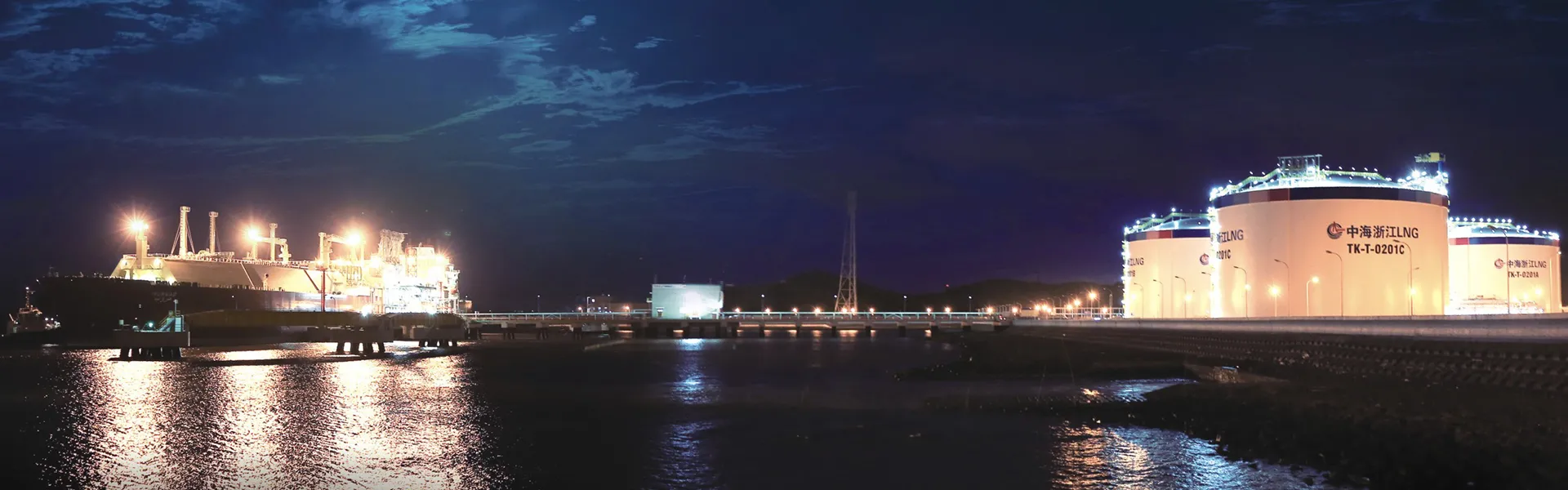
An LPG spherical tank (also called an LPG storage sphere or Horton sphere) is designed to store large volumes of pressurized liquefied petroleum gas (LPG)—typically propane, butane, or mixed LPG—safely and efficiently. Its spherical shape distributes internal pressure evenly, which helps reduce stress concentration, improves structural stability, and can make it a preferred choice for medium-to-large LPG terminals, refineries, petrochemical plants, and gas distribution hubs.
The main purpose of a spherical tank is high-capacity, pressurized storage of products that:
are stored as liquids under pressure (like LPG)
may experience pressure changes with ambient temperature
require robust containment with strong safety design
Common stored media include:
Propane
Butane
LPG mixes
In some cases, other pressurized liquefied gases (site- and code-dependent)
A sphere is the geometry that naturally handles internal pressure efficiently. Compared with many other shapes, it provides:
Even distribution of membrane stress
Reduced risk of high-stress “corners” or edges
A structure well-suited for high pressure + large volume storage
For the same internal volume, a sphere can require less surface area than many alternatives—meaning:
Potentially lower heat gain from the environment (helpful for product stability)
Often good strength-to-weight efficiency for very large tanks
When designed and maintained properly, LPG spherical tanks are used in demanding environments and can support:
long-term cyclic service (pressure/temperature changes)
industrial safety management requirements
integration into terminals and processing facilities
An LPG spherical tank is commonly installed at:
LPG import/export terminals
Refineries
Petrochemical plants
Gas fractionation and processing facilities
City gas / LPG bottling & distribution depots
Strategic storage farms for peak shaving and supply security
Large-volume spherical storage helps operators:
receive shipments in bulk (ship/rail/truck)
buffer demand fluctuations
reduce frequent deliveries and handling
optimize downstream distribution to cylinder filling plants or pipeline networks
A typical sphere system is integrated with:
transfer pumps/compressors
vapor return / balancing lines
loading arms or truck/rail gantries
instrumentation for pressure/temperature/level
ESD (Emergency Shut Down) systems and safety interlocks
Because LPG is flammable and stored under pressure, spherical tanks are engineered with multi-layer protection, often including:
Safety relief valves sized for credible scenarios
Level measurement (often redundant) to prevent overfill
Pressure and temperature instrumentation
Fire protection measures (water spray/monitors, fireproofing—site dependent)
Gas detection and emergency shutdown integration
Dikes/drainage and spacing per applicable codes and risk assessment
NDT and inspection planning for weld integrity and lifecycle management
Exact configuration depends on local regulations, project standards, and hazard studies (HAZOP/QRA).
Both are used for pressurized LPG storage, but they fit different project scales.
Best for:
larger capacity storage (terminal/plant level)
long-term strategic buffering
centralized distribution hubs
Typical advantages:
strong pressure performance at large volumes
efficient geometry for high-capacity installations
Best for:
small to mid-size depots
industrial users with moderate storage needs
sites where simpler installation is preferred
Typical advantages:
easier fabrication/transport for smaller sizes
flexible siting in many facilities
In practice, many LPG storage farms use a mix based on capacity, plot plan, and logistics.
When people search “lpg spherical tank”, they’re usually planning a project or checking feasibility. These are the inputs that matter most:
Storage capacity & number of spheres
Total working volume, future expansion plans, and peak demand buffer.
Design pressure & design temperature
Based on LPG composition, ambient extremes, and operating philosophy.
Applicable codes and certifications
Project location often dictates the design code, inspection rules, and documentation.
Seismic and wind requirements
Critical for structural design and foundation engineering.
Safety philosophy & automation level
Redundancy, SIS/ESD integration, firefighting strategy, and monitoring.
Construction approach & schedule constraints
Onsite fabrication vs modularized components; lifting plans; logistics.
Operations: loading/unloading and product turnover
Ship/rail/truck interfaces, vapor return, metering, and custody transfer needs.
A spherical tank project usually involves:
FEED / basic engineering (capacity, plot plan, standards)
Detailed design (mechanical, civil, piping, instrumentation)
Fabrication and NDT
Site erection and welding
Pressure testing and commissioning
Long-term inspection and integrity management
For EPC and terminal owners, vendor capability in engineering coordination, quality control, and project documentation is often as important as fabrication itself.
If you’re developing an LPG storage facility, it helps to work with a supplier who can support not just the vessel, but also the project interface—drawings, quality documentation, and delivery coordination.
CIMC ENRIC supports a range of gas storage and transportation equipment solutions. In LPG terminal or depot projects, we can provide practical input on:
capacity configuration (single vs multiple spheres)
project documentation alignment
manufacturing and inspection requirements
integration considerations for terminal operations
A: Because a sphere handles internal pressure efficiently by distributing stress evenly, which suits large-volume pressurized storage.
A: Most commonly LPG (propane, butane, mixes). Other pressurized liquefied gases may be possible depending on design code and project requirements.
A: Safety depends on design, installation, protection systems, and operations. Spheres are often chosen for large capacities and can be very robust, but both types can be safe when properly engineered and managed.
A: Start with capacity needs, plot plan constraints, standards, and logistics (how you receive and distribute LPG). Large terminal-scale storage often favors spheres.
Contact Us
Related Information
Copyright © CIMC ENRIC All Rights Reserved | Sitemap Technical Support  Privacy Policy | CIMC ENRIC Tag
Keywords: CIMC ENRIC LPG Products CNG Products LNG Products


