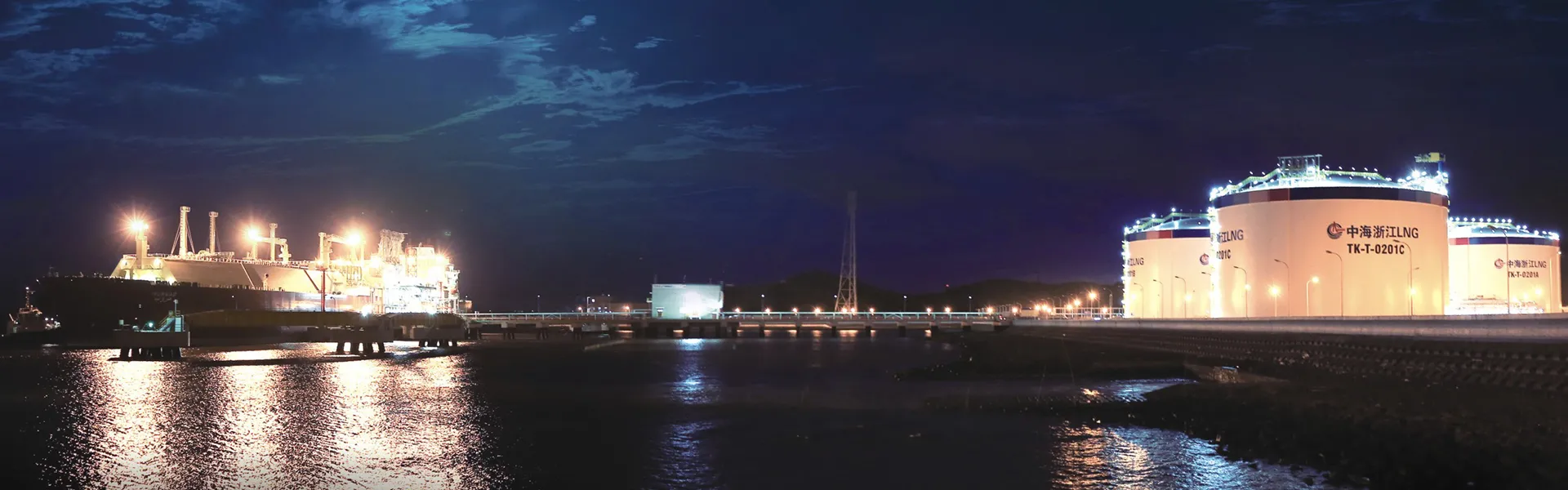
Cryogenic storage is a critical industrial technology used to store and transport gases such as LNG, oxygen, nitrogen, argon, and hydrogen in liquid form at extremely low temperatures (typically below -150°C). It plays a vital role in LNG infrastructure, industrial gas supply chains, healthcare systems, and energy projects. For EPC contractors, energy developers, and industrial gas operators, cryogenic storage systems are essential for ensuring operational safety, supply stability, and efficient large-scale gas distribution.
Cryogenic storage refers to the process of storing gases in liquid form at ultra-low temperatures. At these conditions, gases are cooled below their boiling points and converted into liquids, reducing their volume by approximately 600 times.
Cryogenic storage systems rely on advanced insulation technologies to minimize heat transfer and maintain stable low-temperature conditions for extended periods.
Common cryogenic gases include:
LOX (Liquid Oxygen)
LIN (Liquid Nitrogen)
LAR (Liquid Argon)
LH2 (Liquid Hydrogen)
Cryogenic storage is essential because many industrial gases are not economically viable to store or transport in gaseous form.
Its key value lies in three main areas:
First, it significantly increases gas storage density, enabling large-scale energy and industrial gas transportation.
Second, it ensures supply chain continuity by connecting production facilities and end users in a stable and controlled way.
Third, it reduces dependency on fixed pipeline infrastructure, making it ideal for cross-border and remote energy projects.
In LNG systems, cryogenic storage acts as a buffering and balancing hub between liquefaction plants and downstream distribution networks.
Cryogenic storage systems are generally divided into three main categories based on application and mobility.
Large fixed installations used in industrial plants and energy facilities where long-term stable storage is required.
Typical applications include:
LNG receiving terminals
Industrial gas production plants
Energy peak shaving systems
Portable and transportable units designed for multimodal logistics, including road, rail, and sea transportation.
Typical applications include:
International LNG transportation
Cross-border industrial gas supply
Energy trading logistics
Flexible and compact systems designed for smaller or distributed applications with rapid deployment requirements.
Typical applications include:
Industrial manufacturing facilities
Distributed energy stations
Emergency backup gas systems
| Comparison Factor | Cryogenic Storage | Compressed Gas Storage | Pipeline Supply |
|---|---|---|---|
| Energy Density | Very High | Low | Medium |
| Transport Flexibility | High | Limited | None |
| Infrastructure Cost | Medium | Medium | Very High |
| Safety Level | High | Medium | High |
| Scalability | Strong | Limited | Limited |
Overall, cryogenic storage offers significant advantages in flexibility and scalability, making it the preferred solution in LNG and industrial gas industries.
A cryogenic storage system consists of several engineered components designed to ensure safety and thermal stability.
The primary container that directly stores liquefied gas, typically made from stainless steel or low-temperature alloys.
Provides mechanical strength and structural protection during transport and operation.
A critical component responsible for minimizing heat ingress, commonly using:
Vacuum insulation
Perlite insulation
Multilayer reflective insulation
Includes essential safety devices such as:
Pressure relief valves
Temperature monitoring systems
BOG (Boil-Off Gas) management systems
Cryogenic storage is widely used across multiple industries:
LNG receiving terminals
Peak shaving facilities
Distributed energy networks
Steel manufacturing
Semiconductor and electronics production
Chemical processing plants
Medical oxygen supply systems
Hospital gas storage infrastructure
Propellant storage systems
Laboratory gas environments
Selecting the right system requires evaluating several key technical and operational factors:
Gas type and purity requirements
Storage capacity and consumption rate
Temperature and pressure conditions
Installation environment (onshore, offshore, remote sites)
International compliance standards (ASME, ISO, EN, etc.)
Cryogenic storage systems offer several important advantages:
High-density storage for improved logistics efficiency
Flexible applications (stationary and mobile systems)
Reduced dependence on pipeline infrastructure
Lower long-term operational costs
Strong support for clean energy transition, especially LNG
The cryogenic storage industry is evolving rapidly in response to global energy transformation.
Key trends include:
Continuous expansion of LNG infrastructure
Integration of digital monitoring systems (pressure, temperature, leakage detection)
Modular and rapidly deployable storage systems
Growing adoption in hydrogen and clean energy applications
Cryogenic storage is a foundational technology in modern industrial gas and energy systems. It plays a crucial role in improving storage efficiency, ensuring supply chain stability, and enabling global gas transportation.
As LNG infrastructure expands, industrial gas demand increases, and the global energy transition accelerates, cryogenic storage systems are becoming more important than ever. Their applications continue to grow toward more efficient, intelligent, and modular solutions.
For global energy and industrial users, understanding cryogenic storage and selecting the right system directly impacts operational efficiency, supply reliability, and long-term project success.With decades of experience in LNG and cryogenic equipment manufacturing, CIMC Enric continues to support customers worldwide with advanced cryogenic storage technologies designed for safe, reliable, and efficient gas storage and distribution.
Contact Us
Related Information
Copyright © CIMC ENRIC All Rights Reserved | Sitemap Technical Support  Privacy Policy | CIMC ENRIC Tag
Keywords: CIMC ENRIC LPG Products CNG Products LNG Products


