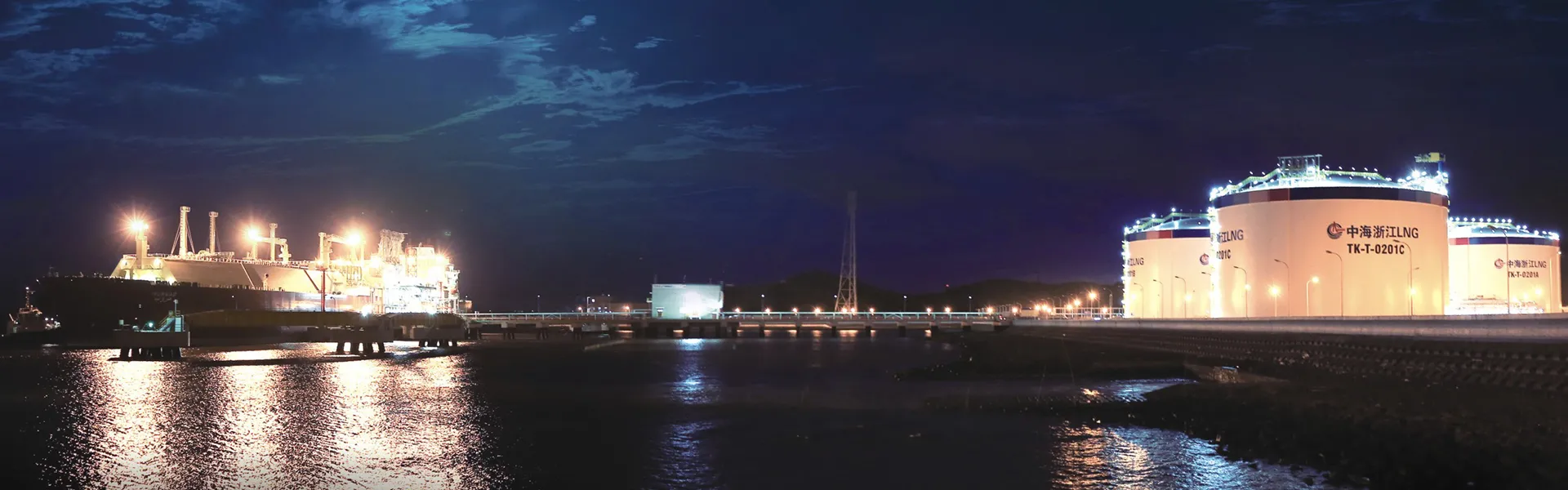
Compressed Natural Gas (CNG) is widely used as a cleaner, more cost-effective alternative to traditional fuels such as diesel, gasoline, and coal. Today, businesses around the world use CNG gas for transportation, industrial manufacturing, power generation, and energy supply in remote areas. Thanks to its lower emissions, competitive fuel costs, and flexible distribution methods, CNG has become an important energy solution for companies seeking to improve operational efficiency while meeting sustainability goals. From fueling commercial vehicle fleets to supplying natural gas for factories and power plants, CNG plays a critical role in modern energy infrastructure.
CNG, or Compressed Natural Gas, is natural gas that has been compressed to a high pressure to reduce its volume and facilitate storage and transportation. Methane (CH₄) is the primary component of CNG, making it a clean-burning fuel with lower carbon emissions than many conventional fossil fuels.
Unlike Liquefied Natural Gas (LNG), which is stored in liquid form at cryogenic temperatures, CNG remains in gaseous form and is stored in high-pressure cylinders, cascades, and transport trailers. This makes it particularly suitable for regional distribution and industrial applications where flexibility and lower infrastructure costs are important.
As global industries transition toward cleaner energy sources, CNG continues to gain popularity across multiple sectors.
Transportation remains one of the largest applications of CNG gas worldwide.
Many governments and fleet operators have adopted CNG transportation solutions to reduce fuel costs and comply with increasingly stringent environmental regulations.
CNG-powered buses are widely used in urban transportation networks due to their lower emissions and operating costs.
Benefits include:
Reduced greenhouse gas emissions
Lower particulate matter emissions
Quieter engine operation
Lower maintenance expenses
Many logistics companies use CNG fuel for commercial vehicles because it offers a cost-effective alternative to diesel.
Common applications include:
Freight transportation
Regional logistics
Distribution fleets
Delivery vehicles
Municipal governments often operate CNG-powered vehicles for waste collection, public services, and transportation fleets.
As fuel costs continue to rise, businesses increasingly view CNG as a strategic solution for fleet management.
One of the most important industrial uses of CNG gas is providing reliable energy for manufacturing facilities.
Many industrial plants require a stable fuel source for heating, steam generation, and production processes. In regions without pipeline access, CNG can be transported directly to factories through virtual pipeline systems.
CNG is commonly used in:
Glass manufacturing
Ceramic production
Textile processing
Food processing
Chemical manufacturing
Metal processing industries
Compared to coal and fuel oil, CNG provides cleaner combustion and greater energy efficiency.
Industrial boilers and furnaces often rely on CNG to generate heat for manufacturing processes.
Advantages include:
Lower carbon emissions
Improved thermal efficiency
Reduced equipment maintenance
Consistent fuel quality
For companies seeking natural gas solutions for factories, CNG offers a practical and scalable energy source.
Power generation is one of the fastest-growing applications of CNG gas.
Many industrial facilities, utility providers, and remote communities use CNG for power generation when pipeline natural gas is unavailable.
CNG can be delivered directly to gas-fired power plants through transportation trailers and storage systems, ensuring a reliable fuel supply.
This solution is especially valuable in regions where pipeline infrastructure has not yet been developed.
Utilities often use CNG-powered generators during periods of peak electricity demand.
Key benefits include:
Fast deployment
Lower emissions than diesel generators
Reliable fuel availability
Mining sites, industrial parks, islands, and rural communities frequently use CNG power plant solutions to reduce dependence on diesel fuel.
Compared with diesel-powered systems, CNG offers:
Lower operating costs
Cleaner combustion
Reduced environmental impact
Businesses looking to establish a stable fuel supply for power projects can explore our CNG Solution for Power Plant to support efficient and reliable energy generation.
| Application Sector | Primary Use | Key Advantages | Typical Scenarios |
|---|---|---|---|
| Transportation | Vehicle fuel | Low cost, low emissions | Buses, logistics fleets |
| Industrial Manufacturing | Heating and production energy | Clean and efficient | Factories, boilers, furnaces |
| Power Generation | Fuel for electricity generation | Stable gas supply | Power plants, backup power systems |
| Remote Energy Supply | Energy delivery | No pipeline required | Mining sites, islands, industrial parks |
One of the most innovative uses of CNG gas is supplying energy to areas without access to traditional pipeline networks.
Through a virtual pipeline solution, compressed natural gas can be transported using specialized trailers and delivered directly to end users.
Typical applications include:
Mining operations
Remote industrial parks
Island communities
Rural energy projects
Temporary construction sites
Virtual pipeline systems allow businesses to access natural gas without investing in expensive pipeline infrastructure.
As a result, CNG supply for remote areas has become a rapidly expanding market worldwide.
To support commercial and industrial applications, CNG must be stored and transported safely and efficiently.
A CNG storage cascade is a high-pressure storage system designed to store compressed natural gas for fueling stations, industrial users, and gas distribution projects.
Benefits include:
Reliable gas storage
Stable pressure management
Improved operational efficiency
Enhanced safety performance
CNG transport trailers are used to deliver natural gas from supply stations to industrial facilities, fueling stations, and power plants.
These systems are a critical component of virtual pipeline networks.
Pressure regulation equipment ensures that natural gas is delivered at safe and consistent operating pressures for end users.
Together, these technologies form a complete CNG storage and transportation solution.
In many regions, CNG offers a lower fuel cost than diesel and gasoline, helping businesses reduce operating expenses.
Compared with conventional fuels, CNG produces:
Lower carbon dioxide emissions
Reduced nitrogen oxide emissions
Less particulate matter
Improved air quality
Businesses can diversify their fuel supply and reduce dependence on traditional energy sources.
Unlike fixed pipelines, CNG can be transported to almost any location through mobile storage and delivery systems.
These advantages explain why more companies are investing in CNG energy solutions worldwide.
As environmental regulations become stricter and fuel prices remain volatile, companies are seeking cleaner and more economical energy alternatives.
Businesses invest in CNG because it helps them:
Reduce fuel expenses
Lower carbon emissions
Improve sustainability performance
Increase energy reliability
Access natural gas in off-grid locations
For industries looking to balance economic and environmental objectives, CNG remains one of the most practical energy solutions available today.
Whether you are developing a power generation project, expanding industrial fuel infrastructure, or building a virtual pipeline network, choosing the right equipment partner is essential.
CIMC Enric provides comprehensive CNG solutions, including CNG storage cascades, transportation equipment, and customized gas supply systems designed for industrial and commercial applications worldwide. With extensive engineering expertise, global project experience, and a commitment to safety and innovation, we help businesses achieve reliable and efficient natural gas utilization.
Contact us today to learn how our advanced CNG technologies can support your transportation, industrial, and power generation projects.
CNG is generally cleaner and cheaper than petrol or diesel, but its suitability depends on infrastructure availability and application requirements.
No, CNG is usually more cost-effective than conventional fuels like petrol and diesel in most markets.
CNG is transported using specialized transport trailers, tube trailers, and virtual pipeline systems.
In many markets, CNG provides lower fuel costs than diesel, making it an attractive option for commercial and industrial users.
Contact Us
Related Information
Copyright © CIMC ENRIC All Rights Reserved | Sitemap Technical Support  Privacy Policy | CIMC ENRIC Tag
Keywords: CIMC ENRIC LPG Products CNG Products LNG Products


