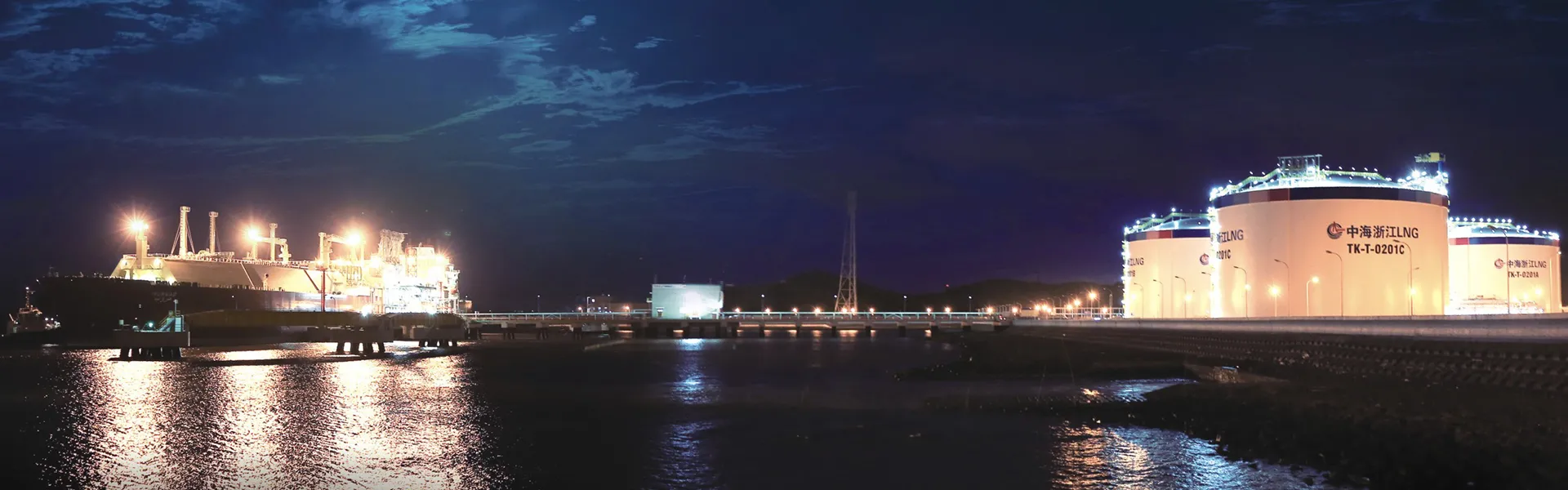
Liquefied Natural Gas (LNG) and Liquefied Petroleum Gas (LPG) are two critical energy carriers widely used in global industrial gas infrastructure. Although both are used as alternatives to traditional fuels such as diesel, coal, and fuel oil, they serve very different roles in energy supply chains, storage systems, and industrial applications.
The difference between LNG and LPG is not only about fuel composition, but also about infrastructure design, storage technology, transportation systems, and long-term project economics. LNG is primarily used for large-scale energy supply, power generation, and long-distance transportation, while LPG is more suitable for distributed energy systems and smaller industrial applications.
LNG is natural gas that has been cooled to approximately -162°C, converting it into a liquid state. This process reduces its volume by about 600 times, making it highly efficient for storage and long-distance transportation.
The main component of LNG is methane (CH₄), which makes it a clean-burning fuel widely used in industrial decarbonization strategies. LNG is particularly important in regions where pipeline infrastructure is limited or unavailable.
From an engineering perspective, LNG systems require cryogenic storage tanks, insulated transport trailers, and regasification systems to convert the liquid back into gas for end-use applications.
LPG is a mixture of propane (C₃H₈) and butane (C₄H₁₀), typically produced during natural gas processing and crude oil refining.
Unlike LNG, LPG is stored under moderate pressure at ambient temperature, making it easier to handle and distribute in smaller-scale applications.
LPG is widely used in residential heating, commercial cooking, small industrial boilers, and agricultural applications. It is usually distributed through cylinders or small bulk storage tanks, making it suitable for decentralized energy systems.
However, LPG is not designed for large-scale industrial energy infrastructure or long-distance energy transport.
For industrial buyers and EPC contractors, selecting between LNG and LPG depends on project scale, energy demand, and infrastructure requirements.
| Category | LNG (Liquefied Natural Gas) | LPG (Liquefied Petroleum Gas) |
|---|---|---|
| Main Composition | Methane (CH₄) | Propane & Butane |
| Storage Condition | -162°C cryogenic temperature | Ambient temperature under pressure |
| Project Scale | Large-scale industrial & utilities | Small to medium distributed systems |
| Transportation | LNG carriers, cryogenic trailers | Cylinders, bulk LPG tankers |
| Infrastructure Investment | High | Relatively low |
| Typical Users | Power plants, LNG terminals, industrial hubs | Residential, commercial, light industry |
This comparison shows that LNG is the preferred solution for centralized energy systems, while LPG is more suitable for decentralized and small-scale applications.
In industrial gas processing systems, the term NGL (Natural Gas Liquids) is often used alongside LNG and LPG.
NGL refers to hydrocarbons extracted from natural gas processing, including ethane, propane, butane, and pentane. LPG is a subset of NGL, primarily consisting of propane and butane, while LNG is composed mainly of methane in liquefied form.
Understanding the relationship between NGL, LPG, and LNG is essential for companies involved in gas processing, energy logistics, and infrastructure development.
LNG plays a critical role in large-scale energy systems due to its high energy density and transportation efficiency. It is widely used in:
Gas-fired power generation plants
Large industrial manufacturing facilities
Peak shaving and grid balancing systems
Remote and off-grid energy supply projects
Because LNG can be transported over long distances without pipelines, it is a key solution for regions with limited energy infrastructure.
For industrial users requiring stable LNG supply systems, integrated storage and regasification solutions are essential for safe and efficient operation.
LPG is mainly used in smaller-scale energy applications where infrastructure simplicity and flexibility are more important than large-scale capacity.
Typical applications include:
Residential cooking and heating systems
Small industrial boilers
Agricultural drying systems
Commercial kitchens and hospitality operations
Due to its simpler storage and distribution requirements, LPG is widely adopted in decentralized energy markets, especially in developing regions.
Project scale is the most important consideration. LNG is suitable for centralized, high-volume energy systems such as power plants and industrial clusters, while LPG is better suited for distributed energy supply and small-scale industrial use.
Infrastructure availability also plays a critical role. LNG requires cryogenic storage and regasification systems, while LPG systems are simpler and require lower capital investment.
Energy demand and long-term operating costs further influence the decision, with LNG typically offering better scalability for large industrial projects.
LNG and LPG are both important components of the global energy system, but they serve fundamentally different roles in industrial applications. LNG is best suited for large-scale, centralized energy infrastructure requiring high capacity and long-distance transport, while LPG is more effective in distributed, small-to-medium scale energy supply systems.
Selecting the right gas solution depends on project scale, infrastructure conditions, and long-term operational requirements. Understanding these differences is essential for building efficient, reliable, and cost-effective energy systems.
CIMC Enric provides comprehensive LNG infrastructure solutions for global industrial energy projects, including storage tanks, transport trailers, regasification systems, and customized EPC gas supply solutions. These integrated systems support reliable and efficient LNG supply for power generation, industrial manufacturing, and large-scale energy distribution worldwide.
Contact Us
Related Information
Copyright © CIMC ENRIC All Rights Reserved | Sitemap Technical Support  Privacy Policy | CIMC ENRIC Tag
Keywords: CIMC ENRIC LPG Products CNG Products LNG Products


