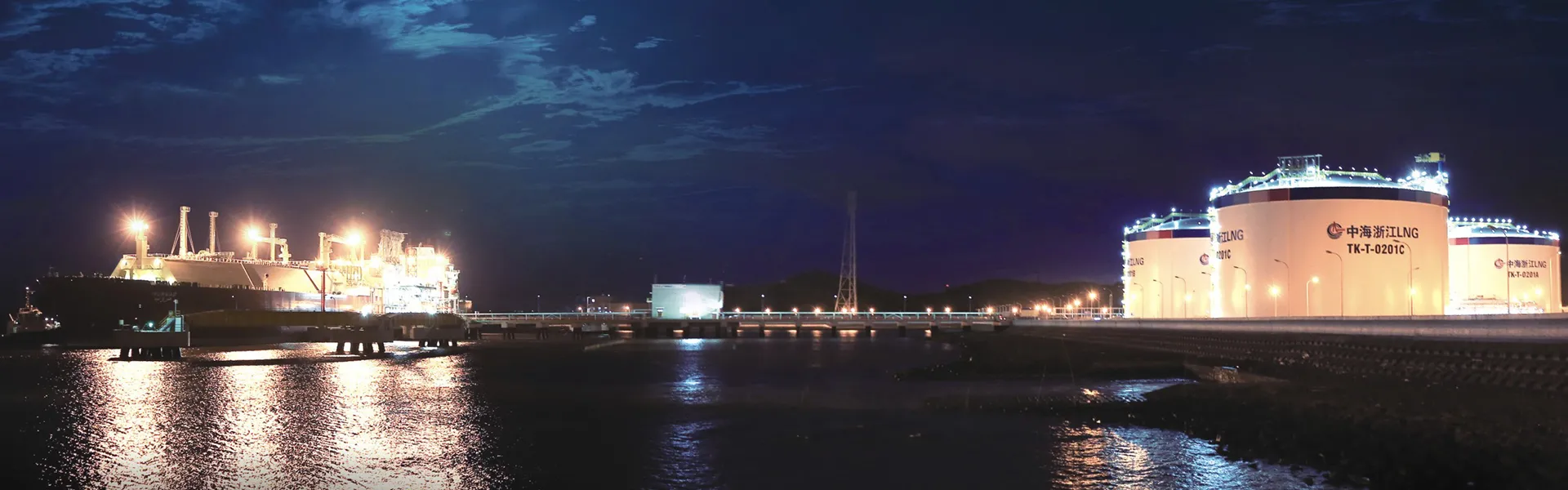
A cryogenic container is a purpose-built vessel for holding a liquefied gas at very low temperature. Depending on its design, it may serve as a stationary storage unit, a small supply vessel or a transport container. The informal term cryo vessel is often used for several of these products, but they are not interchangeable. Capacity, pressure, insulation, approvals and handling method must match the medium and the job.
This guide explains how cryogenic containers work, the main formats available and the questions a buyer should answer before choosing one. For a wider comparison of stationary equipment, see our guide to the types of cryogenic storage tanks.
Many cryogenic containers use a double-wall construction. The inner vessel contains the cryogenic liquid, while the outer shell protects the insulation system and internal vessel. A vacuum space, often combined with multilayer or other insulation, reduces heat transfer from the surroundings.
No insulation can stop heat ingress completely. As heat enters, a small amount of liquid evaporates and pressure can rise. The equipment therefore requires a pressure-control and relief arrangement designed for its intended service. Valves, level indication, pressure gauges, filling connections and withdrawal connections vary by configuration. These components form part of the engineered vessel; they should not be changed or operated outside the approved instructions.
Cryogenic equipment may be configured for liquefied natural gas, liquid oxygen, liquid nitrogen, liquid argon, liquid carbon dioxide, liquid hydrogen or another approved medium. The word “cryogenic” does not mean one container can carry all of them. Material compatibility, cleanliness, pressure rating, insulation design, valves and applicable regulations depend on the specified product.
Oxygen service, for example, requires particular attention to cleanliness and compatible materials. LNG equipment must address the properties of natural gas and its operating system. Liquid hydrogen introduces still more demanding temperature, insulation and containment considerations. Buyers should define the medium before discussing volume or price.
Small vacuum-insulated cylinders and Dewar-type containers are used where consumption is limited, mobile handling is important or liquid must be distributed to several points. Laboratories, healthcare facilities, fabrication operations and industrial gas users may rely on this format. CIMC ENRIC offers cryogenic thermal-insulating cylinders in multiple configurations for approved cryogenic media.
A microbulk or mini-tank system sits between individual cylinders and a conventional bulk installation. It can reduce frequent cylinder exchanges for a facility with regular small-to-medium demand. The system must still be planned around filling access, working pressure, required gas flow and vaporization. A cryogenic mini tank may be appropriate for applications such as cutting, welding, laboratories or healthcare when the project requirements match its approved configuration.
Stationary vessels are installed as part of a permanent storage and supply system. They may be vertical or horizontal and can feed vaporizers, process equipment, refueling systems or other downstream users. A stationary cryo vessel should be selected using usable capacity, delivery schedule, demand profile, working pressure, site layout and local code. Nominal volume alone does not define a suitable solution. CIMC ENRIC's industrial gas storage equipment page provides an entry point to relevant storage products.
A cryogenic tank container combines an insulated pressure vessel with a standardized frame for intermodal handling. Depending on its approvals and specification, it may travel by road, rail or sea. The frame, corner fittings, valve cabinet and transport certification distinguish it from a fixed storage tank. Industrial gas users can review the industrial gas ISO tank container, while LNG projects should refer to the dedicated LNG tank container.
Road tankers carry cryogenic liquids between the supply source and receiving site. They are transport equipment, not simply a storage tank placed on wheels. Axle loads, vehicle rules, route conditions, transfer equipment and delivery procedures all influence their design. Where the intended media are LOX, LIN or LAr, buyers can examine the industrial gas semi-trailer range.
The terms overlap in everyday use, but “container” can refer to anything from a small Dewar to an ISO-framed transport unit. “Storage tank” normally describes equipment intended to remain at an installation. The operating role should therefore be stated explicitly instead of relying on the name.
Equipment | Primary role | Key consideration |
Cylinder or Dewar | Small-volume storage and local handling | Capacity, withdrawal method and movement |
Microbulk vessel | On-site supply for regular demand | Refill frequency and vaporization |
Stationary tank | Permanent bulk storage | Usable volume, pressure and site design |
ISO tank container | Intermodal transport and approved holding | Transport code, payload and route |
Road tanker | Bulk liquid delivery | Vehicle rules and transfer interface |
Begin with the liquid and its required purity. Next, define usable quantity, expected consumption, peak flow and refill interval. Confirm the pressure needed at the receiving process and whether liquid or gas withdrawal is required. For a transport container, identify every intended mode and jurisdiction. For stationary equipment, document the available footprint, height limits, foundation conditions, filling access and separation requirements.
The applicable design code and certification should be agreed before manufacture. Also review insulation method, expected holding time, allowable boil-off, pressure-building system, relief devices, valves, gauges and remote monitoring needs. The receiving facility may require a vaporizer, pressure regulation, piping, controls or unloading equipment beyond the vessel itself.
Only trained personnel should fill, move, connect or operate cryogenic equipment. The vessel must be used for its approved medium, pressure and service. Operators should follow the manufacturer's procedures for inspection, connection, filling level, pressure control and maintenance. Protective equipment, ventilation, exclusion zones and emergency arrangements depend on the medium and site. Never seal off a relief path or assume that an empty container is free of product or pressure.
CIMC ENRIC supplies cryogenic storage and transportation equipment for LNG, industrial gases and selected liquid hydrogen applications. Our portfolio covers cylinders, mini tanks, stationary vessels, ISO tank containers, semi-trailers and integrated systems. The right solution is determined by verified operating data rather than a generic container label.
To discuss a new cryo vessel, share the medium, required capacity, working pressure, flow demand, installation country and intended storage or transport duty. Contact CIMC ENRIC for a project-specific equipment discussion and quotation.
Contact Us
Related Information
Copyright © CIMC ENRIC All Rights Reserved | Sitemap Technical Support  Privacy Policy | CIMC ENRIC Tag
Keywords: CIMC ENRIC LPG Products CNG Products LNG Products


